Guide For Senior Support
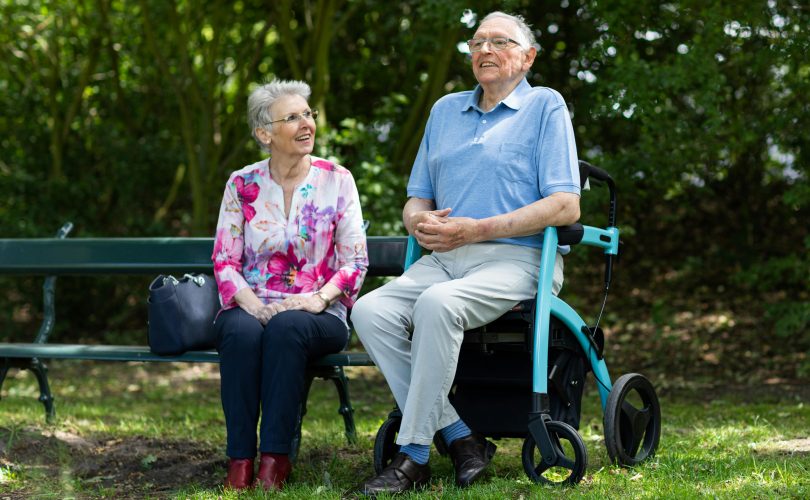
As people get older, they often want to stay independent. However, they may need help with their physical, mental, or health needs to stay safe and healthy. Striking a balance between being self-reliant and getting help is one of the biggest challenges older adults and their families face. When done right, this balance can lead to a good life that respects personal choices while providing the right care.
Finding this balance doesn’t mean choosing between being independent and getting support. Instead, it’s about blending the two to fit each person’s needs. By focusing on respectful talking and being willing to adapt, families and caregivers can create living spaces that help older adults feel confident and comfortable.
Redefining Independence in Later Life
Independence doesn’t vanish as we age; it changes. Many older folks see independence as having control over their choices, habits, and likes, not just doing everything by themselves. We need to respect this view when we figure out what kind of help works best.
Getting older adults to take part in making decisions, from daily plans to long-term care choices, boosts their sense of worth and dignity. Even little choices, like picking meals or activities, can make a big difference. When we present help as a way to enable independence instead of replacing it older adults tend to feel more capable rather than restricted.
Identifying the Right Level of Support
To strike the right balance, you need to understand current needs and possible future changes. Some people might just need help now and then with things like getting around or doing housework. Others might do better with more organized help for personal care or managing their medications.
Regular check-ins and open talks help make sure the support matches what’s needed. Being flexible is crucial, since needs can shift over time. In places that offer options like senior living in Palmdale, people living there might have access to different levels of support. These can be adjusted without upsetting their living situation, which helps keep things steady and stable.
Creating Safe and Empowering Environments
A good living space should make people feel safe without being too strict. Easy changes, like better lights, easy-to-move-in layouts, or helpful tools, can cut down risks a lot. This lets older folks move around and feel sure of themselves. The aim is to get rid of things that get in the way, not to take away freedom.
Just as key is building a place where people trust each other, when older people feel okay speaking up about worries or asking for help, they’re more likely to take part in their own care. Good spaces put comfort, familiar things, and who people are first. This makes sure folks feel at home instead of just looked after.
Supporting Emotional and Social Well-being
Emotional health has a big impact on staying independent. Feeling alone or without purpose can shake confidence and drive even when physical needs are taken care of. Keeping active helps older people feel like they belong and strengthens their place in a community.
Chances to connect—through family, friends, or group activities, boost relationships and keep the mind sharp. Support systems that see emotional well-being as just as crucial as physical care are in a better spot to help older adults flourish, not just get by.
Getting Families and Care Providers to Work Together
Finding the right balance between independence and support works best when families and care providers join forces. Open talks make sure everyone knows what to expect, where the lines are drawn, and what they’re aiming for. This teamwork helps avoid giving too much help, which can cut down on independence, or not enough help, which can put safety at risk.
It’s a good idea to take another look at care plans from time to time as things change. When families and experts stay on the same page, older adults get care that’s steady and respectful. This care can change as needed while still letting them make their own choices.
Conclusion
Finding the right balance between independence and support for older people is an ongoing challenge that calls for understanding, adaptability, and careful planning. When we look at independence, customized help to fit each person’s needs, and set up environments that empower, we can respect personal freedom while keeping everyone safe and healthy. By tackling emotional, social, and practical issues together, older folks can keep living with self-assurance, respect, and a clear sense of purpose.


Jenny Fries, a freelance writer, specializes in writing about technology, travel, business, and health. She offers freelance blogging and content writing for SEO. Fries likes to travel, cook, and write vacation plans when she's not writing.