Dementia Awareness: Can We Prevent Memory Loss?
Can dementia be prevented or reversed? Explore early symptoms, memory loss, brain exercises, medical treatments, holistic therapies and ways to support older relatives.

DISABLED ENTREPRENEUR – DISABILITY UK
Disability UK Online Health Journal – All In One Business In A Box – Forum – Business Directory – Useful Resources – Health – Human Rights – Politics
DISABLED ENTREPRENEUR – DISABILITY UK
Disability UK Online Health Journal – All In One Business In A Box – Forum – Business Directory – Useful Resources – Health – Human Rights – Politics
Browsing Category
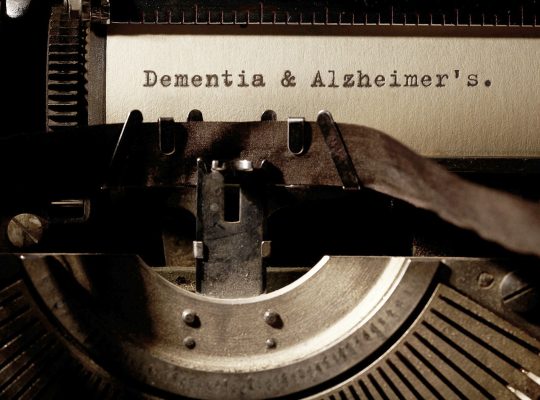
Can dementia be prevented or reversed? Explore early symptoms, memory loss, brain exercises, medical treatments, holistic therapies and ways to support older relatives.

An in-depth look at depression, trauma, and PIP assessments, exploring why outward behaviour does not reflect mental health and how self-help strategies support recovery.
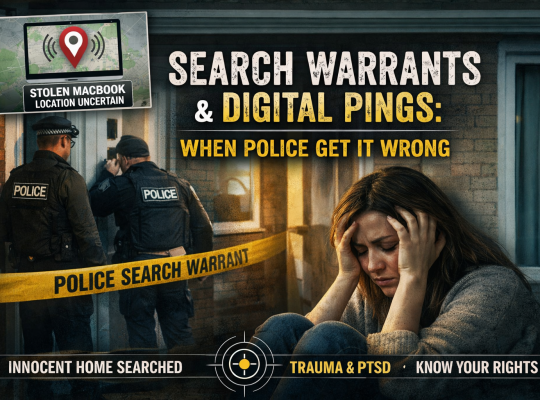
An in-depth legal guide on search warrants, digital tracking “pings,” and your rights when police search the wrong property. Learn about UK law, compensation, and how to challenge unlawful searches.
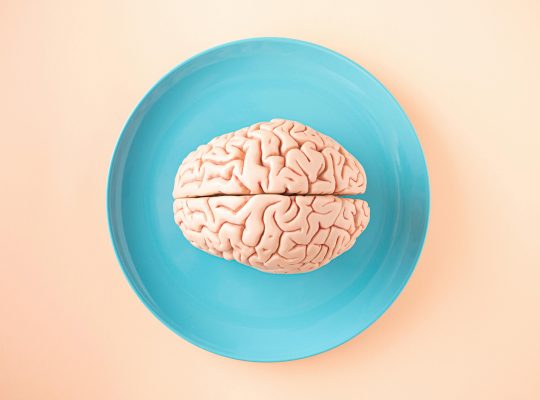
Many of today’s most respected shows focus on practical habits backed by neuroscience, psychology, and long-term research. By listening consistently, people can pick up realistic strategies that support brain health without drastic lifestyle changes.
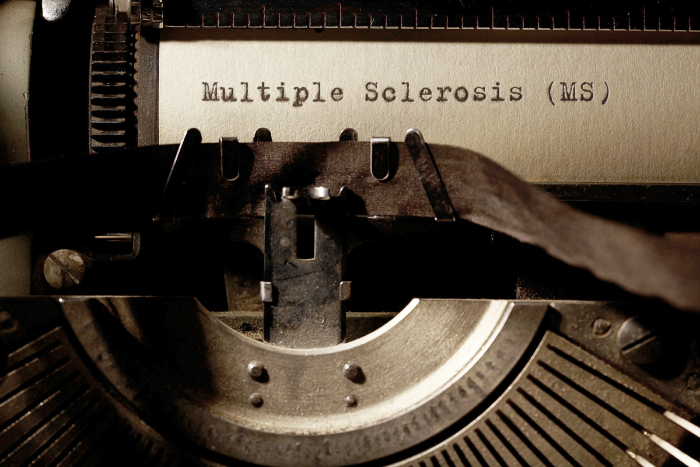
Multiple sclerosis is a complex and challenging condition to manage, but a wide range of therapies offers hope for patients. From disease-modifying drugs like Alemtuzumab and Anti-CD20 therapies to natural approaches such as sun therapy, each treatment targets different aspects of the disease.
Managing distressing memories through existing therapies, mindfulness, and support networks remains the most accessible path. As research continues, the dream of selectively forgetting the bad while keeping the good may one day become a reality. Until then, moments of natural relief, like forgetting an OCD trigger and finding the anxiety has passed, remind us of the brain’s capacity to heal itself.

True wellness isn’t about perfecting one area of your health while neglecting others. It’s about recognizing that mental clarity, physical vitality, and nutritional choices are deeply intertwined, each one influencing the others in ways that can either elevate or undermine your overall well-being.
Invisible disabilities deserve recognition, understanding, and respect. Ableist attitudes rooted in ignorance and dismissiveness create barriers that can be just as disabling as the condition itself. Instead of questioning someone’s reality or minimising their struggles, we should listen, believe, and support. The lived experiences of those with invisible disabilities, like the editor who has battled OCD for decades, remind us that what cannot be seen can still have profound impact. True inclusivity means dismantling ableism and embracing empathy.

Trauma leaves lasting wounds, but numbing pain with drugs and alcohol only deepens the suffering. Although self-medication may seem like an escape, it damages the body and creates new chains of dependency. The path to healing is not easy, but it is possible. With therapy, support, and healthier coping mechanisms, people can face their fears, overcome their inner demons, and take back control of their lives.

Stress can play a major role in memory lapses, especially for people living with OCD and trauma. When the mind is overwhelmed by anxiety, daily pressures, or too many competing tasks, it can become harder to focus on intrusive thoughts or compulsions. Preoccupation with other responsibilities may naturally push the urge into the background, allowing it to fade over time. In this way, stress and distraction, although challenging, can sometimes disrupt the cycle of OCD by creating moments where the compulsion is forgotten.