Service Dogs for People with Disabilities: Benefits and Training
A guide to real disability-linked tasks, and the day-to-day independence they unlock, including the training it takes to stay calm in public.

DISABLED ENTREPRENEUR – DISABILITY UK
Disability UK Online Health Journal – All In One Business In A Box – Forum – Business Directory – Useful Resources – Health – Human Rights – Politics
DISABLED ENTREPRENEUR – DISABILITY UK
Disability UK Online Health Journal – All In One Business In A Box – Forum – Business Directory – Useful Resources – Health – Human Rights – Politics
Browsing Category
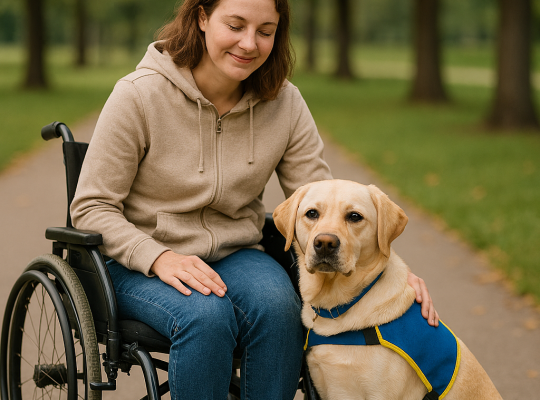
A guide to real disability-linked tasks, and the day-to-day independence they unlock, including the training it takes to stay calm in public.

Learn how charity donations and gifting can provide UK tax benefits, including Gift Aid and corporate relief, while supporting DisabilityUK.org’s mission to empower disabled people, fund start-ups, and help individuals build purpose, skills, and lasting legacies.
At DisabledEntrepreneur.uk, we support the ACDP approach because it is designed by disabled people, for disabled people, and recognises the full reality of daily barriers. We reject any system that forces claimants to “prove” their disability-related costs with receipts or spending controls, as this strips people of dignity and human rights. Disabled people know best how to manage their own lives and finances; what they need is trust, fair support, and recognition of the extra costs they face, not surveillance.
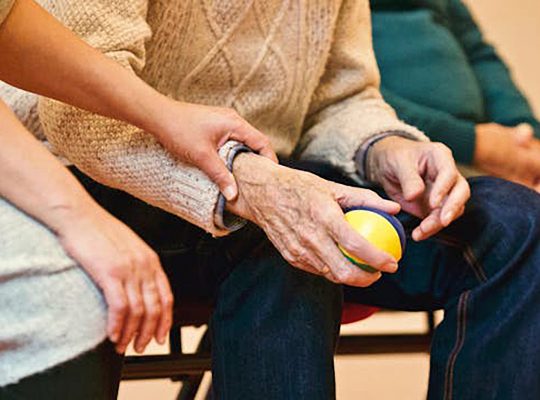
The overlooked role of caregivers in the moving process highlights unseen challenges, emotional strain, and support needs during relocation.
Learn what “staying safe” really means and how to protect yourself from harassment, hate crime, racism, stalking, bullying, domestic violence, sexual assault, honour killings, and emotional distress. Know your rights and take steps to protect your wellbeing.
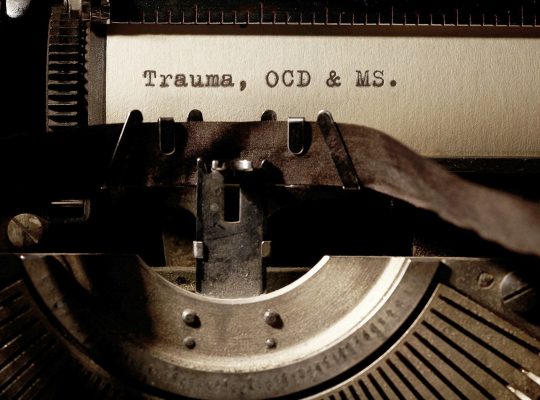
If only we could erase bad memories and achieve financial stability for the rest of our lives, our mental health would no doubt improve. A reflection on trauma, OCD, MS, and the importance of stability for wellbeing

Education is supposed to prepare students for the real world, but too often, schools fail to teach the very skills that young people need to thrive after graduation. Instead, the curriculum is filled with outdated or impractical subjects that do little to equip students for adulthood.

Traveling with a disability or hidden condition takes planning, but it shouldn’t stop you from seeing the world. Whether you’re worried about customs, the DWP, or managing OCD while abroad, being informed and prepared can make all the difference. Remember: not all disabilities are visible, and you have every right to ask for support from airlines, and airport staff,.

Avoiding moving scams is especially important for disabled people. Learn how disability-specific reviews provide protection.

For millions of people in the UK living with chronic pain, applying for Personal Independence Payment (PIP) can feel like a battle against an invisible enemy. Pain, especially when it’s invisible or fluctuating, is difficult to measure, explain, and prove. The PIP assessment system, designed to support people with additional care or mobility needs, often falls short in recognising the daily impact of pain, leaving many to feel dismissed, doubted, or denied.