Disclaimer: This article is for informational and educational purposes only and does not constitute medical, legal, or professional health advice. If you smoke, vape, or suffer from nicotine addiction, consult a qualified healthcare professional or smoking cessation service for support.
The UK’s Landmark Tobacco Law Explained
The UK Government has officially approved the Tobacco and Vapes Act 2026, a landmark piece of legislation designed to create what ministers are calling the UK’s “first smoke-free generation.” The Bill received Royal Assent on 29 April 2026 and officially became law.
Under the new law, it will become illegal to sell tobacco products to anyone born on or after 1 January 2009. From 2027 onward, the legal age for purchasing tobacco will increase by one year every year, meaning younger generations will never legally be able to buy cigarettes or tobacco products.
The Government says the legislation is intended to:
- Reduce smoking-related deaths
- Protect children from nicotine addiction
- Reduce long-term NHS costs
- Prevent future generations from suffering tobacco-related illnesses
Will The Ban Really Stop Young People Smoking?
While many public health experts have welcomed the legislation, critics argue that banning legal sales alone may not stop younger people from accessing cigarettes or vapes.
One major concern is that:
- Older siblings
- Friends over 18
- Parents or relatives
- Illegal sellers
- Social media marketplaces may continue purchasing tobacco or vaping products on behalf of underage individuals.
History has shown that whenever products become restricted, black markets and illegal distribution networks can emerge. This creates concerns about:
- Counterfeit vapes
- Unregulated nicotine products
- Unsafe ingredients
- Organised illegal sales
- Increased online trading through social media platforms
Some experts believe that education, prevention, and awareness may ultimately be more effective than prohibition alone.
What The Government Could Do To Deter Young People
The new law is only one piece of the puzzle. If the Government genuinely wants to reduce smoking and vaping among young people, stronger preventative measures may also be needed.
1. Education In Schools
Children should be taught from an early age about:
- Lung damage
- Cancer risks
- Addiction
- Heart disease
- Financial costs of smoking
- Mental health impacts
- The dangers of nicotine dependency
Real-life case studies and medical evidence can often have a stronger impact than simple warnings on packaging.
2. Television & Online Awareness Campaigns
Public health campaigns have historically reduced smoking rates.
Television adverts, YouTube campaigns, social media awareness videos, and NHS-backed educational content could help younger audiences understand:
- What smoking actually does to the body
- How addiction develops
- The long-term consequences of vaping and tobacco use
Graphic public awareness campaigns were highly effective in previous decades and could again play a key role.
3. Real People Sharing Their Experiences
One of the strongest deterrents may be hearing directly from people living with smoking-related illnesses.
Schools, colleges, and community groups could invite:
- Cancer survivors
- COPD sufferers
- Former smokers
- Families affected by smoking-related deaths are to speak openly about the physical, emotional, and financial impact smoking has had on their lives.
4. Higher Taxes On Tobacco & Vapes
Making cigarettes and vaping products more expensive may reduce accessibility for young people.
The Government could:
- Increase excise duties
- Introduce stricter vape taxation
- Apply minimum pricing policies
- Restrict discounts and promotions
Higher prices may discourage experimentation among teenagers who have limited disposable income.
5. Stricter Online Purchasing Rules
Online sales remain one of the biggest loopholes.
Some campaigners argue that:
- Online purchases should require stronger age verification
- Vape and tobacco deliveries should require ID checks
- Online sales should be restricted to adults aged 25+
- Social media promotion of vapes should be banned entirely
Without stronger digital enforcement, young people may still find ways to access nicotine products online.
What Smoking Does To The Human Body
Smoking damages nearly every organ in the body. Tobacco smoke contains thousands of chemicals, many of which are toxic and carcinogenic.
Major Illnesses Linked To Smoking
Lung Cancer
Smoking is the leading cause of lung cancer. Cancer develops when tobacco smoke damages cells in the lungs, causing abnormal growths and tumours.
Symptoms may include:
- Persistent coughing
- Chest pain
- Coughing blood
- Breathlessness
- Weight loss
Chronic Obstructive Pulmonary Disease (COPD)
COPD is a progressive lung disease that makes breathing increasingly difficult.
Smoking damages the airways and air sacs in the lungs, leading to:
- Chronic bronchitis
- Emphysema
- Reduced oxygen intake
- Permanent lung damage
Many sufferers become dependent on inhalers or oxygen support.
Heart Disease
Smoking increases the risk of:
- Heart attacks
- High blood pressure
- Stroke
- Narrowed arteries
Nicotine and carbon monoxide place immense strain on the cardiovascular system.
Stroke
Smoking increases blood clot formation and damages blood vessels, significantly raising the risk of stroke and permanent brain injury.
Mouth & Throat Cancer
Smoking can cause cancers affecting:
- The tongue
- Mouth
- Throat
- Voice box
- Oesophagus
Symptoms may include ulcers, difficulty swallowing, and voice changes.
Reduced Fertility
Smoking can reduce fertility in both men and women and may also increase complications during pregnancy.
Mental Health Effects
While some smokers feel nicotine temporarily relieves stress, addiction often increases:
- Anxiety
- Irritability
- Dependency
- Mood swings
Nicotine withdrawal can also negatively affect concentration and emotional well-being.
The Psychology Behind Smoking, Comfort Habits, and Oral Fixation
Some psychologists and behavioural experts believe there can be a psychological connection between early childhood comfort behaviours and certain adult habits, including smoking, vaping, overeating, nail biting, chewing gum excessively, or constantly needing something in the mouth for comfort.
This theory is sometimes linked to what psychoanalyst Sigmund Freud referred to as the “oral stage” of development. While many of Freud’s theories remain debated in modern psychology, some behavioural specialists still recognise that early comfort associations may influence coping behaviours later in life.
Thumb Sucking, Pacifiers & Breastfeeding
Babies and young children naturally seek comfort through sucking behaviours because:
- It is soothing
- It promotes feelings of safety
- It reduces stress and anxiety
- It releases calming hormones
- It creates emotional bonding and reassurance
This is why:
- Babies suck their thumbs
- Infants use pacifiers
- Breastfeeding can calm distressed babies
For some individuals, the brain may continue associating oral stimulation with:
- Relaxation
- Security
- Emotional regulation
- Stress relief
As a result, some people may later gravitate towards:
- Smoking
- Vaping
- Chewing gum
- Snacking
- Nail biting
- Pen chewing
- Lip biting
Not everyone who smokes experienced these childhood habits, and not everyone who used pacifiers or sucked their thumb becomes a smoker. However, psychologists acknowledge there can sometimes be a behavioural link involving comfort-seeking and stress management.
Why Nicotine Feels Calming
Nicotine is a highly addictive stimulant, but paradoxically, many smokers report that it helps them feel calmer or less anxious.
This happens because nicotine affects several chemicals in the brain, including:
- Dopamine
- Serotonin
- Norepinephrine
- Acetylcholine
Nicotine rapidly stimulates the brain’s reward system and can temporarily:
- Improve focus
- Reduce irritability
- Produce short-lived pleasure
- Create feelings of relaxation
- Reduce nicotine withdrawal symptoms
However, many scientists argue that smokers are often not calmer because nicotine itself is relaxing, but because smoking temporarily relieves nicotine withdrawal symptoms between cigarettes.
In simple terms:
- Nicotine addiction creates tension and cravings
- Smoking relieves those cravings temporarily
- The brain interprets this relief as “calmness.”
Unfortunately, this creates a cycle of dependency.
The Hidden Problem With Nicotine
Although nicotine itself is addictive rather than the primary cancer-causing substance in cigarettes, nicotine can still:
- Raise blood pressure
- Increase heart rate
- Affects brain development in teenagers
- Increase dependency behaviours
- Contribute to cardiovascular strain
Smoking becomes especially dangerous because of:
- Tar
- Carbon monoxide
- Toxic combustion chemicals
- Thousands of harmful additives
Healthier Alternatives To Smoking Or Vaping
For people who crave oral stimulation, comfort habits, or stress relief, there are healthier alternatives that may help satisfy the behavioural side of addiction without the same level of harm associated with smoking.
Nicotine Replacement Therapy (NRT)
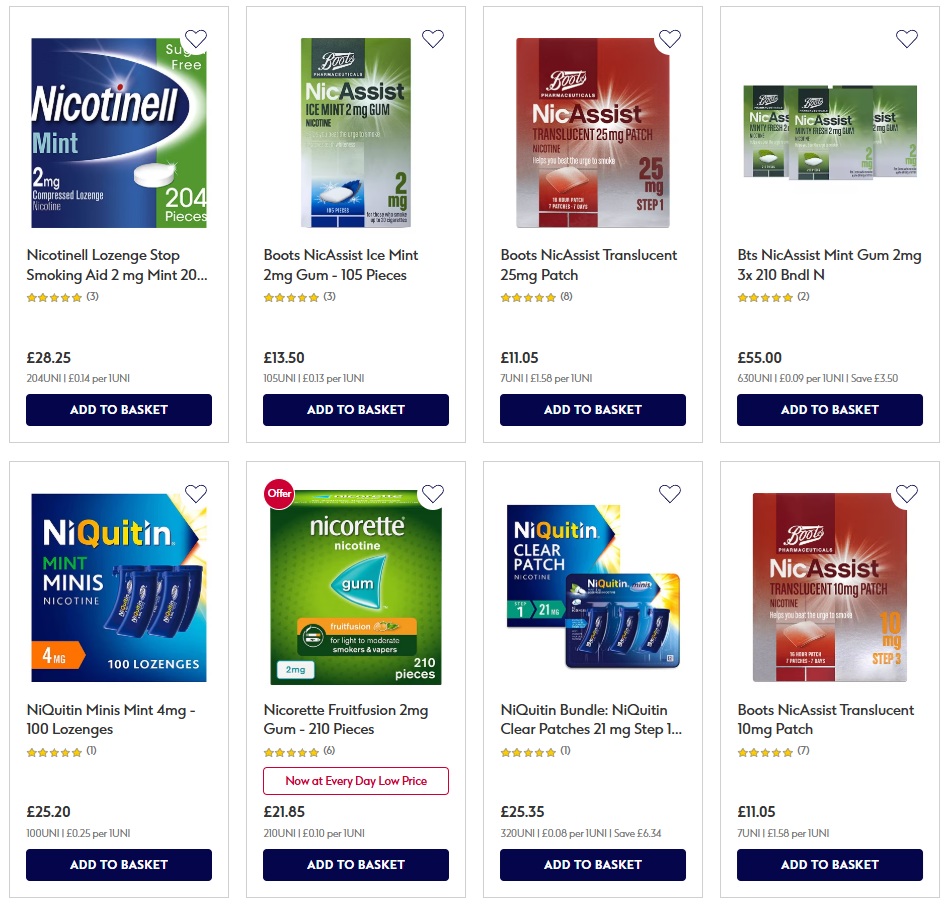
Approved nicotine replacement products include:
- Nicotine gum
- Nicotine lozenges
- Nicotine patches
- Nicotine inhalators
- Nicotine mouth sprays
These products may help smokers quit gradually while avoiding many toxic chemicals found in cigarettes.
In the UK, NHS Stop Smoking Services often recommend NRT alongside behavioural support.
Breathing Devices & Aromatherapy Inhalers
Some people benefit from:
- Essential oil inhalers
- Menthol inhalers
- Deep breathing devices
- Aromatherapy sticks
These may help recreate the hand-to-mouth habit or inhalation sensation without tobacco smoke.
However, essential oils should always be used carefully, as some can irritate the lungs if overused.
Sugar-Free Gum & Oral Alternatives
Chewing gum or sucking sugar-free mints can help:
- Reduce cravings
- Occupy the mouth
- Reduce boredom eating
- Distracting from smoking urges
Some former smokers also use:
- Toothpicks
- Flavoured dental sticks
- Healthy snacks like carrot sticks or sunflower seeds
Mindfulness & Stress Reduction
Because many smokers associate cigarettes with emotional regulation, alternative coping strategies may help, including:
- Meditation
- Exercise
- Breathing exercises
- Cognitive behavioural therapy (CBT)
- Stress management techniques
Many people discover that the ritual of smoking was tied as much to routine and emotional comfort as the nicotine itself.
Could Future Alternatives Exist?
Scientists continue researching safer alternatives for nicotine delivery and stress management. Some experts believe future therapies may focus more on:
- Non-addictive calming compounds
- Safer inhalation technologies
- Behavioural therapies
- Neurochemical treatments targeting cravings
However, no inhaled substance is completely risk-free, especially when repeatedly introduced into the lungs over long periods.
Final Thoughts
Smoking addiction is complex and involves far more than simply “bad habits.” For many people, smoking is connected to:
- Stress
- Trauma
- Anxiety
- Routine
- Social behaviour
- Psychological comfort
- Brain chemistry
boots.com/health-pharmacy/lifestyle-wellbeing/stopsmoking
Understanding why people smoke, rather than simply condemning them, may help society develop more compassionate and effective ways to reduce smoking rates and support healthier coping mechanisms. People struggling with nicotine addiction should never feel ashamed for seeking support, especially as addiction itself is both psychological and physiological in nature.
The Bigger Public Health Debate:
The Tobacco and Vapes Act 2026 represents one of the biggest public health reforms in modern UK history. Supporters believe it could save millions of lives over future generations, while critics argue that enforcement may prove difficult and could unintentionally fuel illegal supply chains. What remains clear is that smoking-related disease continues to place enormous pressure on the NHS and devastate families across the UK. Whether through legislation, education, taxation, or awareness campaigns, reducing nicotine addiction among young people remains a major national challenge.
Further Reading & Resources
- Tobacco and Vapes Act 2026
- Major UK ban hailed ‘historic’ as Sir Chris Whitty shares new law | UK | News | Express.co.uk
- The Tobacco and Vapes Act has passed, but what happens next? – ASH
- Tobacco and Vapes Bill becomes law – GOV.UK
- The Tobacco and Vapes Act: starting a smokefree generation – Cancer Research UK – Cancer News
- Tobacco and Vapes Act FAQs | Local Government Association
- What to Know About the U.K.’s Generational Smoking Ban
- A non-controversial public health policy? The UK’s gradual ban on smoking has been a PR success | Devi Sridhar | The Guardian
- Tobacco ban in the UK could create a smoke-free generation – ABC News
- Tobacco and Vapes Bill: creating a smoke-free UK and tackling youth vaping factsheet – GOV.UK


Renata The Editor of DisabledEntrepreneur.uk - DisabilityUK.co.uk - DisabilityUK.org - CMJUK.com Online Journals, suffers From OCD, Cerebellar Atrophy & Rheumatoid Arthritis. She is an Entrepreneur & Published Author, she writes content on a range of topics, including politics, current affairs, health and business. She is an advocate for Mental Health, Human Rights & Disability Discrimination.
She has embarked on studying a Bachelor of Law Degree with the goal of being a human rights lawyer.
Whilst her disabilities can be challenging she has adapted her life around her health and documents her journey online.
Disabled Entrepreneur - Disability UK Online Journal Working in Conjunction With CMJUK.com Offers Digital Marketing, Content Writing, Website Creation, SEO, and Domain Brokering.
Disabled Entrepreneur - Disability UK is an open platform that invites contributors to write articles and serves as a dynamic marketplace where a diverse range of talents and offerings can converge. This platform acts as a collaborative space where individuals or businesses can share their expertise, creativity, and products with a broader audience.