Tourette’s Awareness and The Law
A comprehensive guide to Tourette syndrome, public awareness, disability rights, UK law, the Mason airport incident, coping strategies, and how businesses can better support neurodivergent individuals.

DISABLED ENTREPRENEUR – DISABILITY UK
Disability UK Online Health Journal – All In One Business In A Box – Forum – Business Directory – Useful Resources – Health – Human Rights – Politics
DISABLED ENTREPRENEUR – DISABILITY UK
Disability UK Online Health Journal – All In One Business In A Box – Forum – Business Directory – Useful Resources – Health – Human Rights – Politics
Browsing Category
(www.ocd.cymru) – Obsessive-Compulsive Disorder. Mental Health Illness.
A comprehensive guide to Tourette syndrome, public awareness, disability rights, UK law, the Mason airport incident, coping strategies, and how businesses can better support neurodivergent individuals.
Can people with OCD, neurological disorders, or mental health conditions work in law? Discover legal careers, pros and cons, workplace adjustments, and how aspiring human rights lawyers can succeed despite mental health challenges.
As the Timms Review deadline approaches, concerns grow over whether the PIP system is fit for purpose. Campaigners, disabled people, and advocacy groups call for dignity, compassion, and reform in disability assessments.
A comprehensive guide exploring the connection between OCD, trauma, grief, anxiety, financial stress, stonewalling, social isolation, and mental health deterioration, including legal rights, triggers, coping strategies, and motivational recovery advice.
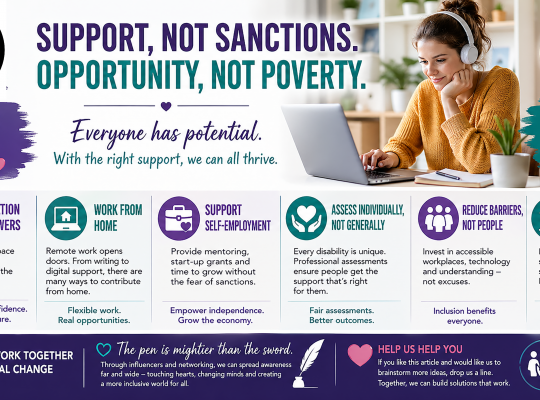
An in-depth look at young people on Personal Independence Payment, challenging claims that some conditions are “non-work-limiting” and exploring how disabilities affect employment.
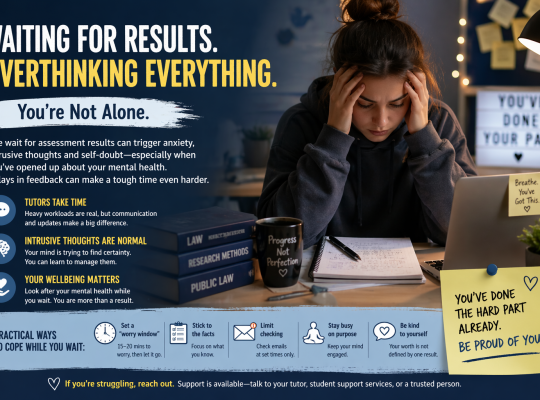
University students often experience anxiety while waiting for results, especially those with mental health conditions. Learn why it happens and practical ways to manage intrusive thoughts.
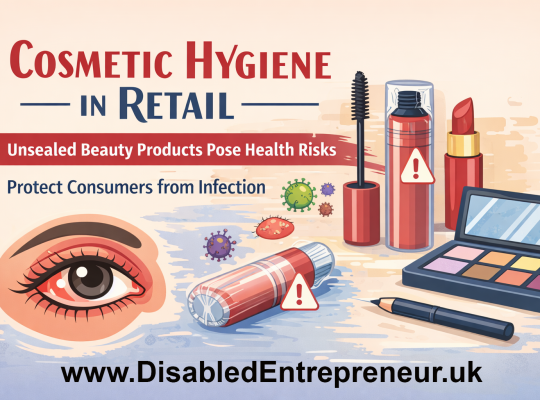
Cosmetic hygiene in retail: Why unsealed beauty products pose serious health risks, including eye infections, and why stricter safety measures are needed.
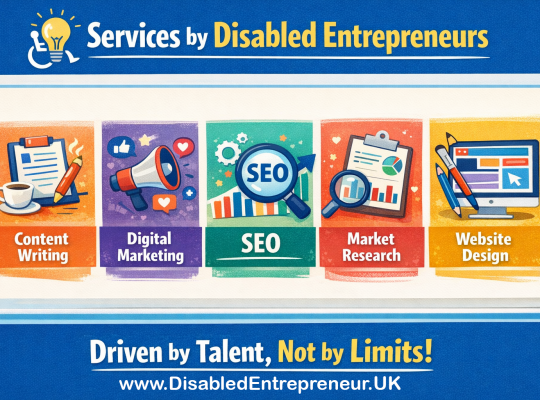
Hiring disabled writers can reduce business costs, improve creativity, and boost productivity. Discover the financial and social benefits of inclusive hiring.

An in-depth look at depression, trauma, and PIP assessments, exploring why outward behaviour does not reflect mental health and how self-help strategies support recovery.

Seeking a business partner to help build a global entrepreneurial ecosystem. Ideal for individuals with lead generation and IT skills looking for equity-based collaboration and long-term growth.